Notes · October 26, 2026
What a lender's independent engineer report covers in solar finance
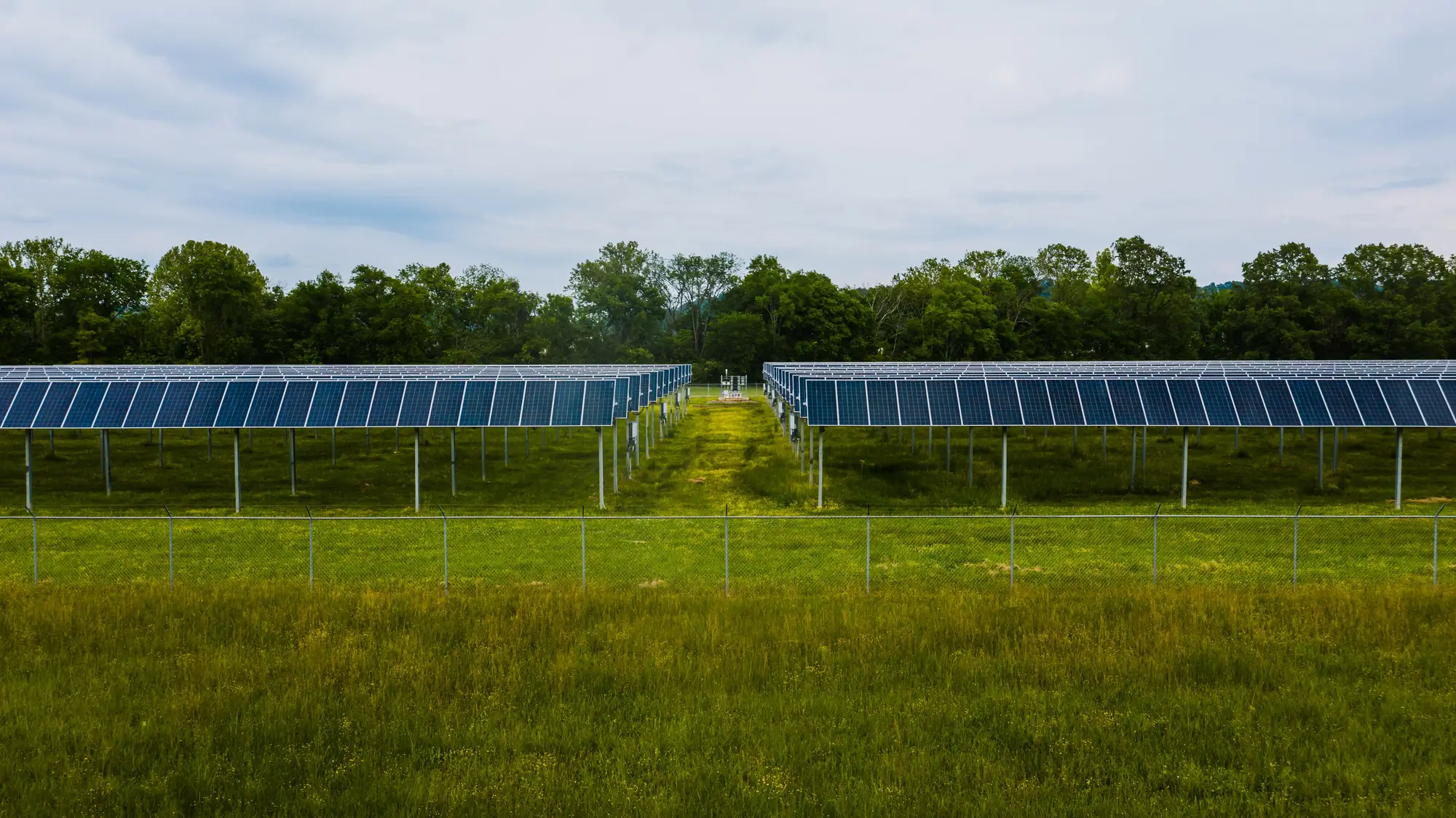
If you've closed a construction loan on a utility-scale solar project, you've already seen the term in the credit agreement: Independent Engineer, usually shortened to IE. The IE is a third-party engineering firm the lender hires, separate from the EPC and separate from the developer, to confirm that what's happening on site matches what's being billed and reported. It's a condition of the facility, not a courtesy.
What the IE report covers each month
The IE's monthly report is the document a construction lender reads before it releases a draw. It typically covers:
- Schedule status. Is the project tracking the construction schedule in the loan docs, or has it slipped, and by how much.
- Budget and cost-to-complete. Does the remaining contingency and uncommitted budget still cover what's left to build.
- Permitting and interconnection. Are the permits the project needs still in hand, and has anything changed with the utility's interconnection timeline.
- Equipment status. Have modules, inverters, and trackers actually arrived on site, or are they still sitting in a port or a warehouse somewhere.
- Percent complete. The number everyone cares about, because it's usually tied directly to the draw schedule.
That last line item is where most of the friction lives. The EPC reports a percent-complete number to get paid. The IE is supposed to independently confirm it. In practice, the IE's confirmation often comes from the EPC's own daily logs, a monthly or bimonthly site walk, and whatever photos the EPC's superintendent sends along. The IE works with the same inputs the EPC controls, visits less often than the EPC is on site, and signs off on a rollup number rather than a count.
Where the gap shows up on a drawdown
The gap matters most at the milestones that trigger a draw: mechanical completion of a block, a certain percentage of modules racked, inverters energized, substation tie-in. If the IE's site visit lands three weeks before a draw request and the contractor had a bad month in between, the lender is still releasing funds against a number that's partly trust and partly a stale observation. Most of the time it washes out. Occasionally it doesn't, and that's usually the project where a construction lender ends up asking, after the fact, whether the percent-complete on the draw request matched what was racked and wired at the time.
The IE process remains the backbone of how construction lending on solar works. What it needs is a number, for the IE and for the lender's asset management team, that doesn't depend on the EPC's own reporting cadence. A counted inventory of modules, racked tables, and installed inverters, pulled from very high resolution imagery on a fixed quarterly or milestone-driven schedule, gives the IE something to reconcile against instead of taking the EPC's progress log as the baseline. Solar Panel Counting builds exactly that: an independently counted module, table, and inverter inventory at a given point in construction, checked against the drawdown or interconnection schedule rather than against whatever the EPC self-reports.
How often should this get checked
IE reports run monthly on most construction loans, which is a reasonable cadence for budget and schedule review. It's a slower cadence than most construction lenders would like for the specific question of how many modules are physically installed right now, especially in the final stretch before mechanical completion when a draw or a milestone payment is riding on the number. A quarterly or milestone-triggered count doesn't replace the monthly IE report. It gives the IE, the lender's credit team, or the asset owner a hard number to compare the EPC's claimed percent-complete against, at the moments when that comparison decides whether money moves.
If your credit agreement ties a draw to a module or inverter count and you want that number verified independently of the EPC's own reporting, that's the use case this site exists for.