Notes · October 13, 2026
Inverter count vs module count: which one actually proves a solar milestone
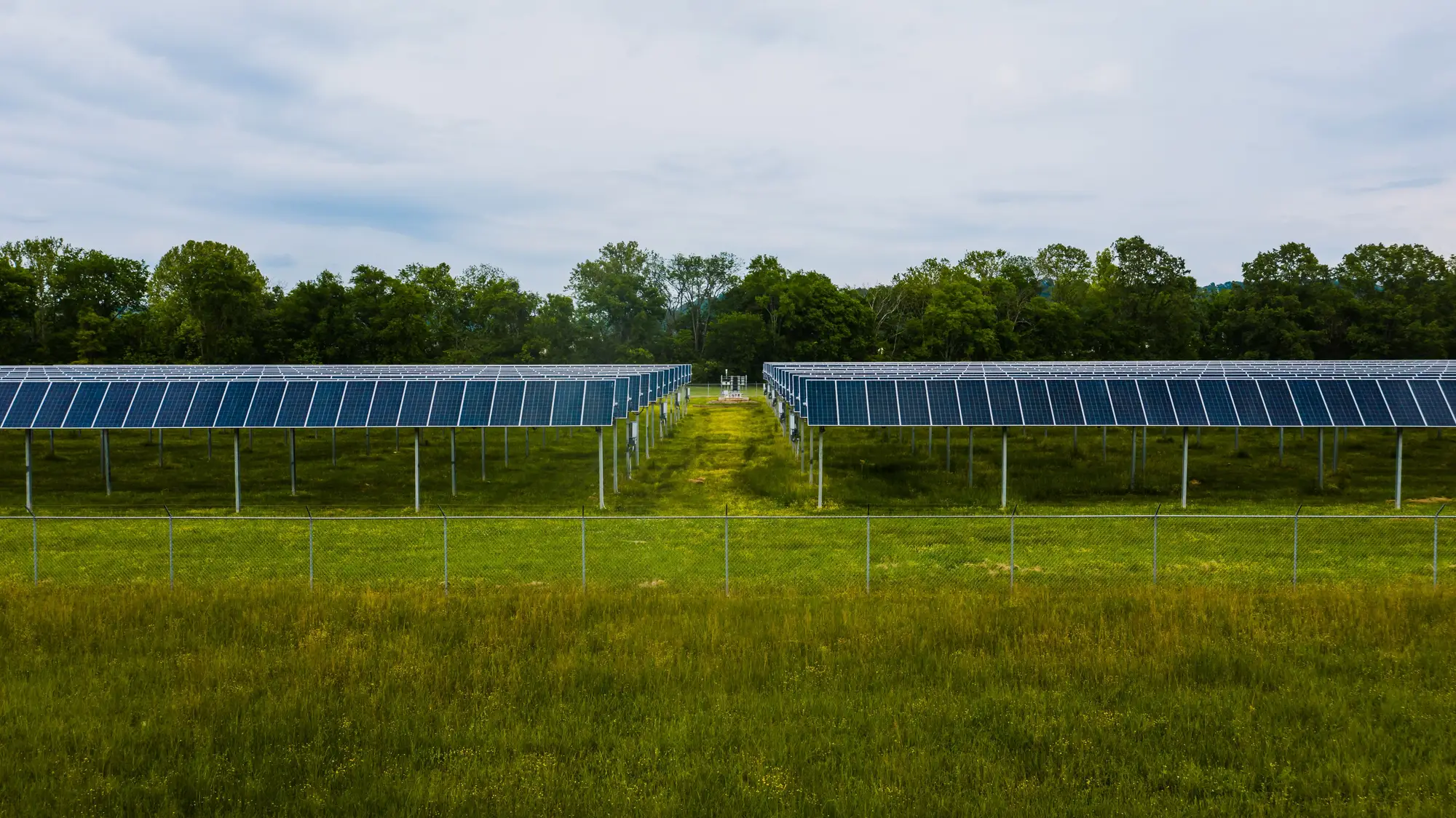
A draw request shows up with a percent-complete number from the EPC, and somewhere in the backup there's a module count and an inverter count that don't quite tell the same story. Which one do you anchor the milestone to?
Neither number alone covers the milestone. They measure different parts of the build, and a draw schedule written around just one of them gets gamed or misread sooner or later.
What module count tells you
Module count is a DC-side number. Count the panels on racking, divide by the design total, and you get a rough read on mechanical completion: how much steel has modules on it. It's the number EPCs report most often because it's the easiest to move fast. Crews can rack and wire modules in blocks well ahead of the inverters, transformers, or SCADA being ready, so a module count can climb for weeks while the plant is nowhere near able to produce a watt.
That's the trap. A 70%-module-complete site can be a site where entire inverter stations sit empty, cabling isn't pulled, and the interconnection utility hasn't even scheduled a witness test. If your draw tranche is tied to module count alone, you can end up releasing capital against a field of glass that can't yet turn into revenue.
What inverter count tells you that modules don't
Inverter count is closer to an AC-side readiness number. A string inverter going in, or a central inverter skid getting set, usually means DC combiner wiring, conduit runs, and often medium-voltage work in that block are far enough along to support it. Inverters installed and commissioned track toward the thing a lender cares about at a later milestone: whether the plant can energize and export.
But inverter count has its own blind spot, and it's the DC-AC ratio. Most utility-scale sites are designed oversized on the DC side, something like 1.2 to 1.4 modules-worth of DC capacity per AC inverter rating, so that the inverter clips a bit at midday rather than sitting underused most of the year. Inverter count was never meant to map 1:1 to module count, and a count comparison that assumes it should will flag a false gap on every site. An inverter-only check also misses a scenario field crews know well: inverters staged and bolted down before the DC strings behind them are terminated and generating anything.
So inverter count without module count tells you the AC backbone is going in. It doesn't tell you whether the DC field behind each inverter is wired to it yet.
Reading them together against the draw schedule
The milestone usually gets written as something like "mechanical completion of Block 3" or "DC energization ready, Block 3," and each of those maps to a different pairing of the two counts:
- Mechanical completion milestones want module count plus table count, because that's the physical installation step the draw was written against.
- Energization or interconnection-readiness milestones want inverter count measured against the block's design DC-AC ratio, since that ratio sets how many modules should sit behind each commissioned inverter.
- A full percent-complete claim on a draw request wants both, counted independently of what the EPC submitted, because a plant can be ahead on one and behind on the other, and the EPC's own report has no reason to flag that mismatch for you.
None of this requires walking the site yourself every time a draw request lands on your desk, which is the real constraint most lenders and asset owners are working under. Solar Panel Counting builds a counted inventory of modules, tables, and inverters from very high resolution imagery each quarter, so you're checking a draw request against an independently counted number instead of the EPC's own percent-installed figure.
Module count proves what's been racked. Inverter count proves what the AC side is ready for. A draw schedule that asks for only one of them is asking the wrong question for half its milestones. Get a count that covers both before your next drawdown decision is due.