Notes · November 2, 2026
Field notes: the week the clouds beat the quarter
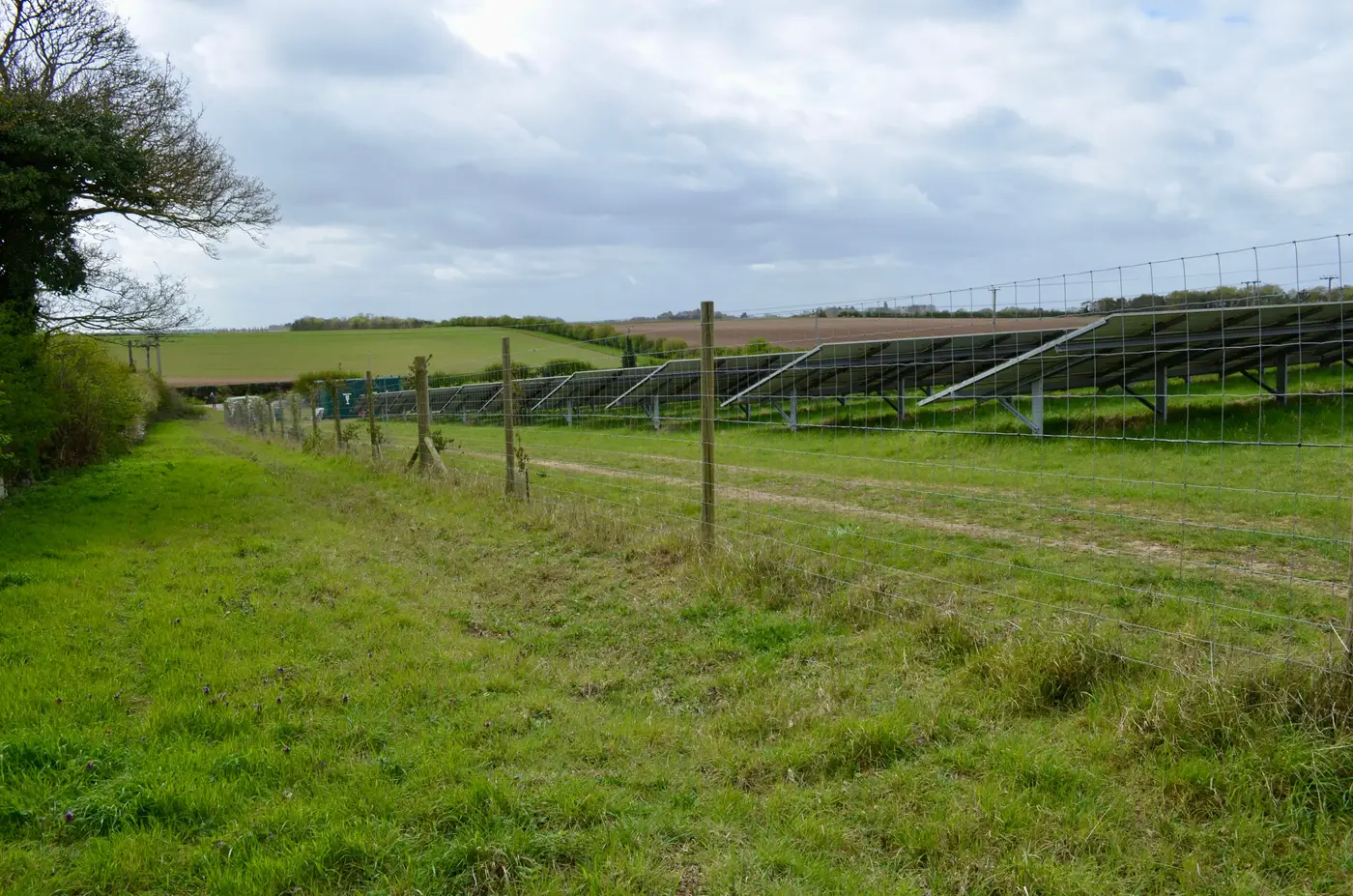
Quarter-end at a 180 MW site outside Lubbock. The EPC's superintendent had been saying 70% module-installed for two weeks straight, which is the kind of number that stops meaning anything once you've heard it in three consecutive site reports. The lender wanted a count to match against the draw schedule before the 30th. The tasking order went in on the 18th.
Then it just sat there.
West Texas in late September runs a string of afternoon buildups that a satellite operator will politely call "variable." What that means on the ground is a clear morning, a tower of cumulus by 1pm, and a pass that comes back with half the array under shadow and the other half under a cloud that wasn't in the forecast an hour before collect. Four attempts, four partial captures. The fifth came back clean on the 27th.
Three days to turn a count before the draw deadline is not a lot of room, and it is exactly the kind of margin that quarterly cadence is supposed to protect against, until a tasking window runs up against actual weather and the margin turns out to have been borrowed from the end of the quarter the whole time.
This is the part of the construction-monitoring conversation that doesn't make it into the glossy deck. A VHR tasking order is a request that goes into a queue alongside every other customer's request for that satellite, competing for a slot against cloud cover that nobody controls and an orbit that only passes over your coordinates a handful of times in any given stretch. Asset owners who've only ever worked from a single annual flyover tend to assume quarterly means four evenly spaced snapshots. In practice it means four windows, and each window has its own weather to get through.
The fix on this particular job was patience plus a fallback. When the satellite tasking kept missing, the team pulled in an aerial pass for the final week, same GSD, same RGB capture, flown low enough to get under the cloud deck that had been blocking every satellite return. The count came back at 68% installed on modules, tables mostly complete, four inverter pads still bare. Two points off the EPC's number, close enough to be unremarkable and far enough that the draw got funded against the actual structure on the ground instead of a verbal estimate from the site office.
What the week put on record: build the slack into the schedule before the quarter starts, not after the first failed pass. If a draw deadline sits three days after the end of a tasking window, that's a bet that the sky cooperates on the first try, every time. Lenders who've been burned by this once start asking for the tasking order's start date up front, and they start asking what the fallback capture option is before they need it, not while they're staring at a fourth cloudy return and a milestone payment waiting on a signature.
A counted inventory from a clean pass settles what a percent-installed figure from someone with a draw to collect cannot: how many modules, tables and inverters are actually standing in the field. Build the quarter around the imagery's tasking window, and let that counted number set the milestone. For the sites where that gap matters on the calendar, Solar Panel Counting runs the quarterly count against your actual drawdown and interconnection schedule, not the EPC's version of it.
If your next milestone sits close to a tasking window's edge, it's worth asking now what happens if the first pass comes back under cloud.