Notes · October 19, 2026
Field notes: the quarter the module count outran the draw schedule
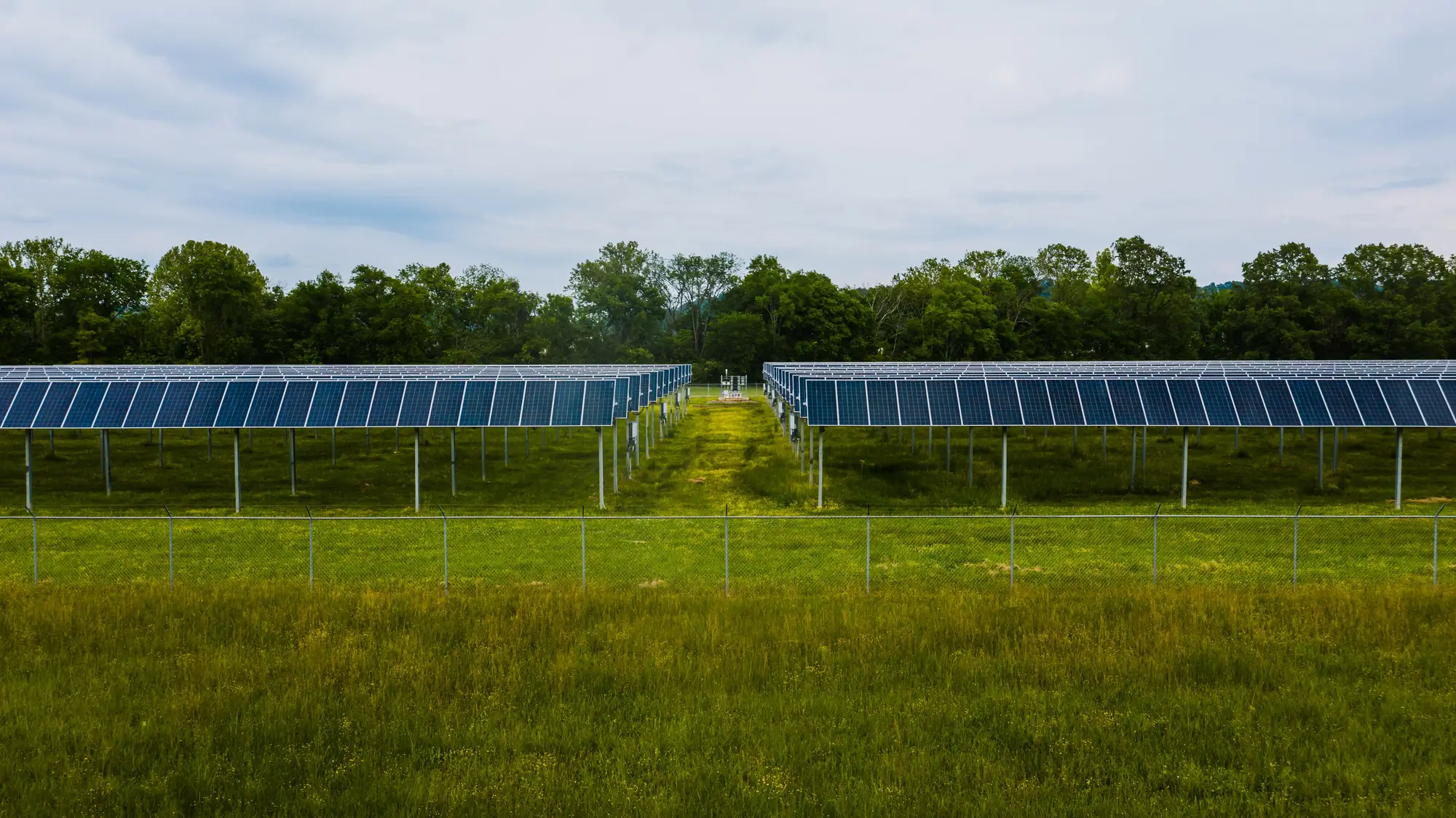
There's a particular kind of quiet that falls over a draw review when the number on the EPC's monthly report doesn't match what the field team saw last time they drove the access road. Usually the number is low. Everyone's braced for low. Low means a schedule slip, a contingency call, maybe an awkward phone call to the sponsor. Nobody budgets for the opposite problem.
But it happens, and it happened on a project we heard about this spring: a 180 MW site in its third quarter of racking and module install, where the as-built count came back running ahead of the paper schedule. Not by a rounding error, either. The EPC's draw request was pegged to a 58% complete milestone tied to the interconnection schedule. The counted inventory, pulled from imagery taken the same week, showed closer to 64%.
That's a strange position for a lender to be in. The instinct when a number is high is relief, maybe even to wave it through. But a draw schedule isn't just a floor, it's a sequencing document. If modules are going in faster than the string and combiner work that's supposed to precede them, you don't have progress, you have a different kind of risk: racking crews laying panel ahead of the electrical scope, tables sitting energized-ready with no home run pulled yet, or a change order buried somewhere that nobody flagged up the chain.
In this case, the explanation turned out to be mundane. The EPC had shifted a second crew onto module hang two weeks early to cover for a trenching delay elsewhere on site, and the draw request had simply been drafted off the prior week's field report before the second crew's output got rolled in. No fraud, no story. Just a paperwork lag that an independent count caught before it turned into a bigger reconciliation headache at the next milestone.
That's the thing about construction draws on solar sites: the percent-complete number everyone's working from is almost always self-reported, rolled up from a super's notes and a spreadsheet, and it moves on a different clock than the physical site does. A count taken from the same week's imagery doesn't care what the spreadsheet says. It counts tables, it counts modules, it counts inverter pads, and it tells you where those three numbers actually sit relative to each other, which is often more informative than any single percentage.
An independent, same-week count puts a second data point next to the draw request, one measured off the ground rather than compiled from it. When the two agree, the draw clears faster because nobody has to ask a follow-up question. When they don't agree, you find out which direction the gap runs before you wire money, not three draws later when the inconsistency has compounded into a real schedule problem.
That's the case for building this comparison into a standing quarterly routine instead of reaching for it only when something already looks off. A counted inventory of modules, tables and inverters, pulled from the same high-resolution imagery each quarter, gives an asset manager or a construction lender a number that didn't come from the EPC's own reporting pipeline, and it's the number you check the draw schedule against before you wire anything.
Most quarters, the count and the schedule will line up close enough that the review takes five minutes. The ones where they don't are exactly the ones worth catching early. If your next milestone review is going to turn on whose number you believe, it helps to have a third number on the table that neither side wrote.