Notes · November 16, 2026
Field notes: the draw request that counted perfectly and still didn't add up
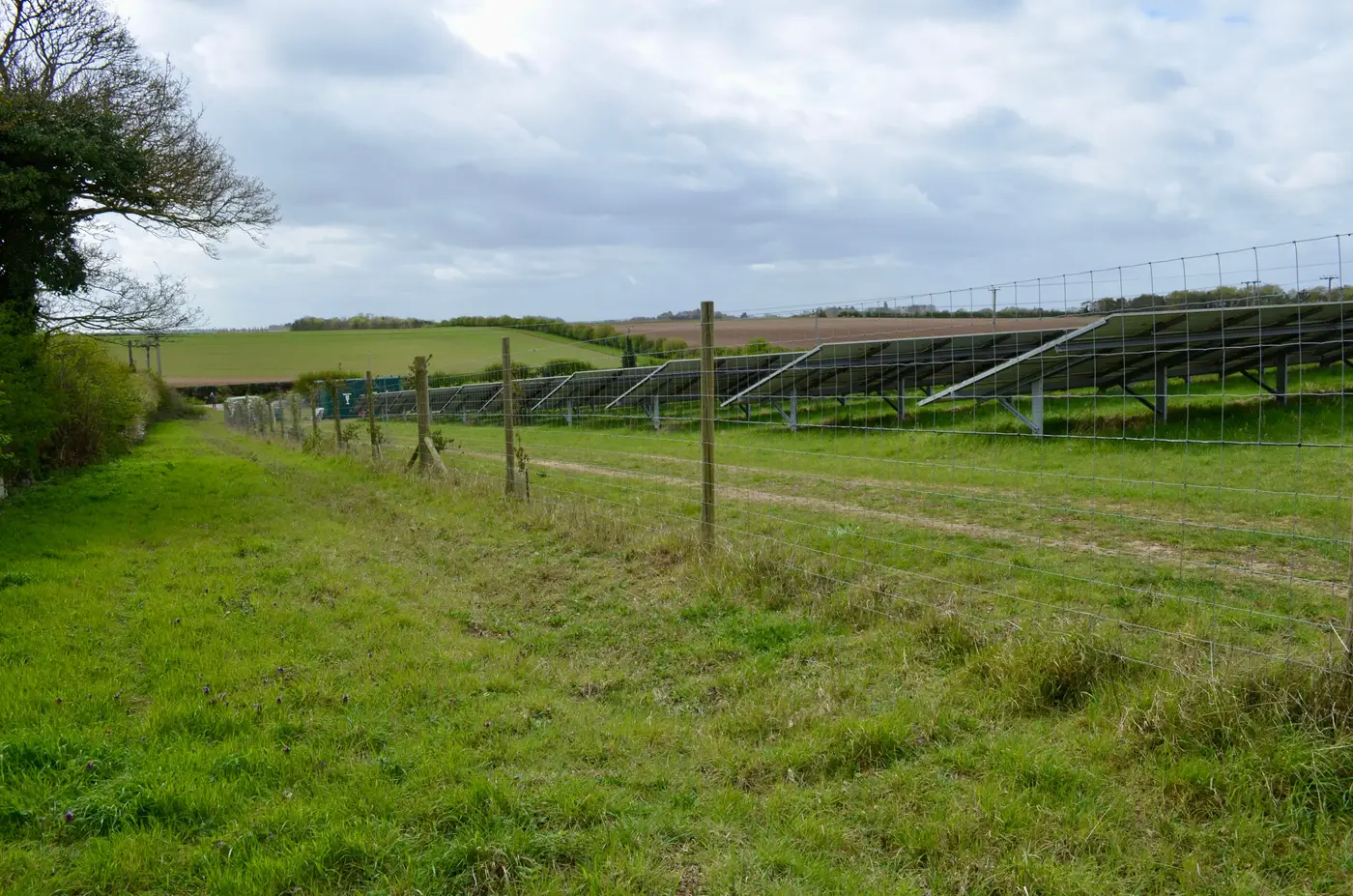
A construction lender I talk to sends me the occasional war story, and this one's been sitting with me for a few weeks.
The EPC's draw package said 68% complete on modules. The lender ran an independent count off imagery from the same week. 68%, near enough to call it a match. Clean, boring, the kind of number that should close out a milestone review in ten minutes.
It got kicked back anyway.
Here's what the count missed, because no count catches it: a few hundred of those modules were sitting on racking that hadn't been torqued to spec. They were physically present, physically mounted, visible from above as dark rectangles in neat rows. The imagery read them as installed because, from a satellite's point of view, installed is what they looked like. The punch list from the independent engineer's site visit said otherwise. Torque wrenches hadn't touched a third of the fasteners on two of the newer blocks, and the EPC's crew had moved on to stringing before closing that out.
This is the part of the trade nobody puts in the slide deck. A panel count answers one question precisely: how many modules are sitting where modules are supposed to sit, this week versus last. It does not answer whether those modules are torqued, grounded, strung to a combiner, or anywhere near energization. Those are different milestones with different draw triggers, and an EPC's percent-complete number has a way of rounding all of them into one tidy figure that serves the draw schedule more than it describes the site.
I've seen the inverse too. A site where the module count ran a few points behind the EPC's claimed progress, which looked damning until someone noticed the laydown yard had pallets of panels staged for a block that hadn't started racking yet. Material on site isn't material installed. An EPC counting inventory as progress and a lender counting installed modules as progress will produce two defensible numbers that don't describe the same thing, and both sides will be annoyed that the other one is "wrong."
None of this makes the count useless; it means the count is good enough that people stop asking what it's a count of. A table-level count that matches the EPC's claimed percentage still needs someone to ask whether "installed" means bolted, torqued, grounded, or strung. The draw schedule should specify which one triggers payment, and in practice it rarely does with the precision this stuff deserves.
What actually closes that gap is tying the milestone language to states the imagery can distinguish. Module present, module on racking, string terminated, inverter energized are four different states, and "percent complete" shouldn't cover all four. A quarterly independent read against that schedule, the kind we run here at Solar Panel Counting, tells you where the physical count sits against the draw ask. It won't tell you whether the torque wrench showed up, but it will tell you exactly which blocks to send someone to check, instead of sending them to check all of them.
That lender ended up holding back about 4% of the draw until the punch list closed. Small money, in the scheme of a utility-scale project. The real cost was the week burned figuring out that "68% matches 68%" didn't mean what everyone assumed on a Monday morning call.
If your next draw request is a round number that looks too clean to argue with, that's usually the one worth a second count.